Heating Tune-Up in San Antonio — Keep Your System Safe and Efficient
Locally Owned Since 2016 | Fully Insured | All Brands Serviced
Your Heating System Runs Best When It's Maintained — Not Just When It Breaks
Most San Antonio homeowners only think about their heating system when it stops working. By then, the repair bill is already $400 to $800 or more. A professional heating tune-up catches worn parts, gas pressure issues, and cracked heat exchangers before they become emergencies — and before they put your family at risk. EMAX HVAC performs thorough heating tune-ups across San Antonio, covering gas furnaces, electric furnaces, and heat pump systems of every brand. One visit. One flat rate. No surprises.
What Is a Heating Tune-Up and Why Does It Matter?
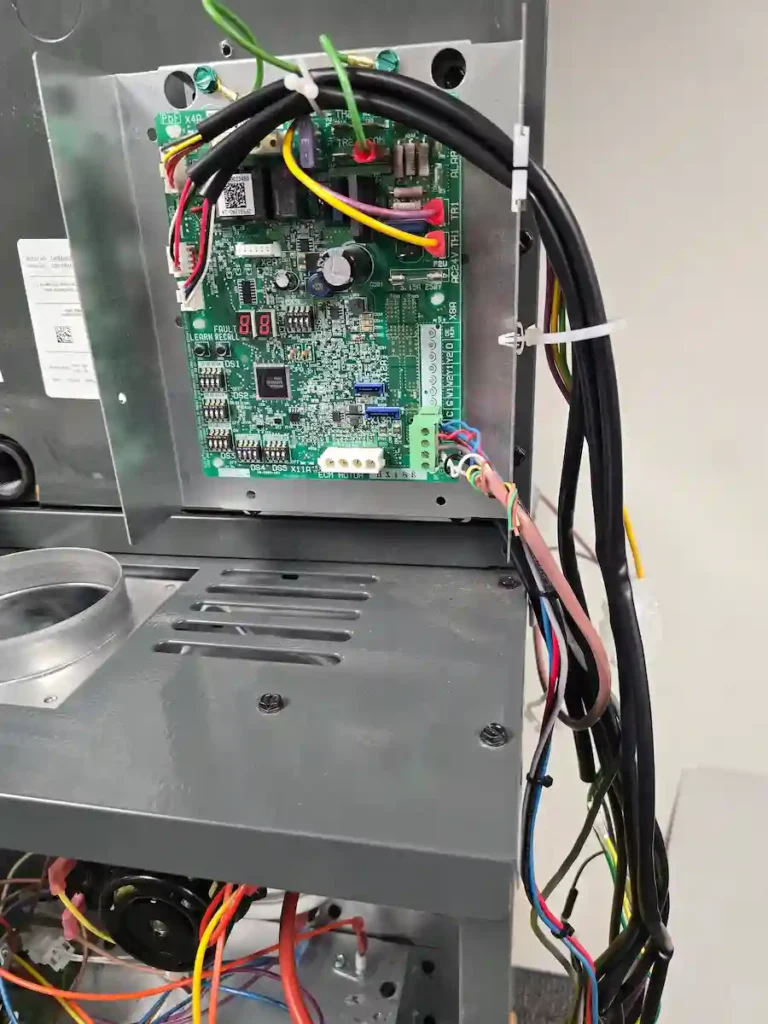
A heating tune-up is a comprehensive preventive inspection and service of your entire heating system. It goes far beyond replacing a filter. A qualified technician disassembles key components, tests safety controls, measures gas pressure, inspects the heat exchanger for cracks, calibrates your thermostat, and verifies that exhaust gases are venting properly.
The goal is twofold: performance and safety. On the performance side, a tuned system runs at its rated AFUE efficiency, which means lower utility bills and more consistent warmth throughout your home. On the safety side — and this is where it matters most — an unmaintained gas furnace can develop heat exchanger cracks that leak carbon monoxide into your living space. CO is odorless and colorless. You won’t know it’s there until symptoms appear.
The Difference Between a Tune-Up and a Quick Filter Change
A filter change takes two minutes and addresses one component. A professional heating tune-up addresses 15 to 20 components across the entire system: burners, ignitor, flame sensor, blower motor, gas valve, flue pipe, electrical connections, safety switches, thermostat calibration, and ductwork inspection at the plenum. When someone tells you they “serviced” your furnace by swapping the filter and running it for five minutes, that’s not a tune-up — that’s a courtesy check.
Why Heating Tune-Ups Are Critical in San Antonio
San Antonio’s climate creates a unique problem for heating systems. You run your furnace hard for a short window — typically November through February — and then it sits idle for eight months. That long dormant period is where the damage happens.
Dust Accumulation During Idle Months
San Antonio’s dry climate and limestone terrain generate fine particulate dust that settles inside your furnace during the months it sits unused. When you fire it up in November without cleaning, that dust burns off the burner assembly and heat exchanger. That burning smell on first startup is a warning sign, not a normal feature. Over time, accumulated dust degrades ignitor surfaces and clogs flame sensors, leading to ignition failures on the coldest nights.
Texas blue northers can drop temperatures 30 degrees in a matter of hours. When the entire city fires up heating systems simultaneously, an unmaintained furnace is the one most likely to fail — and HVAC companies are booked solid. A fall tune-up ensures your system is ready before demand spikes.
Gas furnaces produce combustion byproducts that must vent properly through the flue. A cracked heat exchanger or blocked exhaust vent can redirect carbon monoxide into your home. The U.S. Consumer Product Safety Commission reports that CO poisoning from fuel-burning appliances sends thousands of Americans to emergency rooms every year. A professional heating tune-up includes a heat exchanger inspection and CO safety test — two checks that a filter change alone will never cover.
What Happens If You Skip Heating Maintenance
The real cost of skipping your heating tune-up isn’t the tune-up fee you saved. It’s the compounding damage that builds silently inside the system.
Year 1–2: Efficiency Drops
Dirty burners and a clogged blower reduce airflow and heat transfer. Your system runs longer cycles to reach the thermostat setpoint. Utility bills increase 5 to 15 percent, and you may not even notice because it happens gradually.
Year 3–4: Components Start Failing
The flame sensor, covered in residue, starts misfiring. The ignitor, stressed by dust buildup, cracks. The blower motor bearings, never lubricated, begin grinding. Each of these is a $150 to $400 repair that a tune-up would have prevented.
Year 5+: Major Failure or Safety Hazard
The heat exchanger, stressed by years of thermal cycling without inspection, develops a crack. Now you’re facing a $1,200 to $2,500 repair — or full system replacement if the unit is over 12 years old. And if that crack went undetected, your family was breathing CO without knowing it.
A $150 annual tune-up doesn’t just save money. It protects the people inside your home.
EMAX HVAC is a locally owned heating contractor in San Antonio, Texas, providing professional heating tune-ups for gas furnaces, electric furnaces, and heat pump systems across the metro area since 2016. Licensed by the Texas Department of Licensing and Regulation (TACLA158965E) and fully insured, EMAX technicians perform comprehensive multi-point inspections that include heat exchanger integrity checks, carbon monoxide safety testing, gas pressure calibration, and efficiency verification on all major brands. EMAX serves San Antonio, Stone Oak, The Dominion, Alamo Heights, Terrell Hills, Shavano Park, and Cordillera Ranch with honest diagnostics and transparent pricing.
Our Heating Tune-Up Process — What We Actually Do
When an EMAX technician arrives for your heating tune-up, this is the actual checklist they work through. No shortcuts, no skipped steps.
System Assessment and Filter Inspection
We start with a full visual assessment of the unit — age, condition, installation quality, accessible ductwork at the plenum. The air filter is inspected and replaced if needed. We note the system model, serial number, and AFUE rating to benchmark against manufacturer specs.
Burner and Ignition System Service
Burner assembly is removed, inspected for corrosion or carbon buildup, and cleaned. The ignitor (hot surface or spark type) is tested for resistance and surface integrity. The flame sensor is cleaned to prevent ignition lockout — the single most common reason furnaces fail to start.
Heat Exchanger Inspection
This is the most critical safety check. We visually inspect the heat exchanger for cracks, rust, and separation at seams. On gas furnaces, a cracked heat exchanger means combustion gases — including carbon monoxide — can enter the air supply. If we find a crack, we stop the system and explain your options honestly: repair or replacement, with no pressure either way.
Gas Pressure and Safety Controls
We measure gas pressure at the manifold and compare it to the manufacturer’s specification. Too high and you risk heat exchanger stress. Too low and the system runs inefficiently. All safety controls — limit switches, pressure switches, rollout switches — are tested for proper operation.
Blower Motor and Electrical
Blower motor amperage is measured and compared to the rated value. Bearings are lubricated if the motor design allows it. All electrical connections are inspected, tightened, and tested for proper voltage. Loose connections are the second most common cause of furnace failure after dirty flame sensors.
Thermostat Calibration and Airflow Check
We verify that your thermostat reads accurately and cycles the system correctly. Supply and return temperatures are measured to confirm proper temperature rise across the heat exchanger — a key indicator of system health.
Flue and Exhaust Inspection
The flue pipe and exhaust vent are inspected for blockages, corrosion, disconnections, and proper draft. On high-efficiency furnaces (90%+ AFUE), the condensate drain line is also checked and cleared.
Carbon Monoxide Test and Final Report
A CO detector is used at the supply registers and near the furnace to confirm zero carbon monoxide presence. You receive a written summary of everything we checked, anything we found, and recommendations — if any — for follow-up. No surprises, no hidden upsells.
Heating Systems We Service
EMAX technicians are trained and equipped to perform tune-ups on every type of residential heating system installed in the San Antonio market.
Gas Furnace Maintenance
Natural gas furnaces are the most common heating system in San Antonio. Our gas furnace maintenance covers burner cleaning, gas valve calibration, heat exchanger inspection, and flue draft testing. We service all brands — Trane, Carrier, Lennox, Goodman, Rheem, American Standard, York, and others — regardless of who installed them.
Electric Furnace Maintenance
Electric furnaces don’t have combustion components, but they still need attention. Heating elements degrade over time, sequencers can fail, and blower motors require the same lubrication and amp testing as gas units. We inspect all electric heating elements, contactors, and electrical connections.
Heat Pump Heating Mode Service
If your home uses a heat pump for both cooling and heating, the heating-mode tune-up includes checking the reversing valve, defrost controls, auxiliary heat strips, and refrigerant charge. This is a different checklist from an AC tune-up — the heating side has its own wear patterns and failure points.
Why San Antonio Homeowners Choose EMAX for Heating Maintenance
Licensed and Insured — Verifiable
EMAX HVAC holds Texas TDLR license TACLA158965E. You can verify it at tdlr.texas.gov. We carry full liability and workers’ compensation insurance. If a technician is in your home, you’re covered.
Honest Diagnosis, Every Time
If your system is in good shape, we’ll tell you. We don’t manufacture problems to sell repairs. Our technicians are paid by the job, not by commission — so their incentive is to get it right, not to upsell.
Locally Owned Since 2016
EMAX isn’t a franchise. There’s no national call center routing your call to a random dispatcher. When you call (210) 920-1412, you reach our San Antonio team directly. We live in the same community we serve — The Dominion, Stone Oak, Alamo Heights, and surrounding areas.
All Brands, All Systems
We don’t specialize in one manufacturer and push you toward their products. We service Trane, Carrier, Lennox, Goodman, Rheem, American Standard, York, and every other major brand on the market. Your system gets the right service regardless of who installed it.
Heating Tune-Up in San Antonio and Surrounding Areas
EMAX HVAC provides professional heating tune-ups throughout the greater San Antonio metro area. Whether your home is in an established neighborhood near downtown or a newer development in the far northwest, we service your area.
Our service zones include Stone Oak, The Dominion, Alamo Heights, Terrell Hills, Shavano Park, Cordillera Ranch, Helotes, Leon Springs, and surrounding communities in Bexar County. We also service homes in Boerne, Fair Oaks Ranch, and the northern corridor along US-281 and IH-10.
If you’re unsure whether we cover your neighborhood, call (210) 920-1412 and we’ll confirm before scheduling.
Heating Tune-Up FAQs — San Antonio TX
How often should I schedule a heating tune-up in San Antonio?
Once a year, ideally in September or October before the first cold front. San Antonio heating systems sit idle for eight months, accumulating dust and allowing seals to dry out. A fall tune-up catches those issues before you need the system at full capacity during a blue norther.
What does a professional heating tune-up actually include?
A full tune-up covers 15 to 20 checkpoints: burner cleaning, flame sensor service, ignitor testing, heat exchanger inspection for cracks, gas pressure calibration, blower motor amp draw and lubrication, electrical connection tightening, thermostat calibration, flue inspection, and a carbon monoxide safety test. It’s a complete system health assessment, not a quick filter swap.
Can a heating tune-up detect carbon monoxide leaks?
Yes. The heat exchanger inspection and CO test at supply registers are specifically designed to detect carbon monoxide issues. A cracked heat exchanger is the primary source of CO leaks in gas furnaces, and it’s only detectable through a hands-on inspection — your home CO detector is a last line of defense, not a substitute for professional maintenance.
Does skipping annual maintenance void my furnace warranty?
Most manufacturer warranties include a clause requiring annual professional maintenance to keep coverage valid. If your furnace fails and the manufacturer finds no record of regular service, they can deny the warranty claim. We provide a written tune-up report after every visit that serves as your maintenance record.
Is a heating tune-up worth it if my furnace is only 2 or 3 years old?
Yes — especially for warranty protection. New furnaces are installed with factory lubricants and calibrations that need verification after the first heating season. A tune-up at year one confirms the installation was done correctly and establishes your maintenance record from day one. If your system was recently installed by EMAX or another contractor, we’ll check everything regardless — contact us if you have questions about your new system’s maintenance needs.
What's the difference between a heating tune-up and a furnace repair?
A tune-up is preventive — scheduled, systematic, and designed to keep your system running safely. A furnace repair is reactive — something has already broken and needs to be fixed. The tune-up is how you avoid the repair. If we find a problem during your tune-up, we’ll quote the repair separately and let you decide.
Should I get both a heating tune-up and an AC tune-up every year?
Yes. Your heating and cooling systems share components (blower motor, ductwork, thermostat, electrical panel) but have different wear patterns. An AC tune-up in spring and a heating tune-up in fall gives you complete year-round coverage. Many homeowners schedule both through a single annual service plan.
My heater smells like burning when I first turn it on — is that normal?
That smell is dust burning off the heat exchanger and burner assembly after months of sitting idle. It’s common but not harmless — repeated dust burn-off accelerates wear on the ignitor and flame sensor. A fall tune-up clears that accumulated dust before your first use, eliminates the smell, and extends the life of those components. If the smell persists beyond 30 minutes or smells like rotten eggs (gas), turn off the system and call us immediately at (210) 920-1412.